Stretchmarks affect many adults in Nairobi, often appearing after pregnancy, weight changes, or growth spurts, and while topical creams offer limited results, advanced dermatological treatments are now accessible locally. You can significantly improve skin texture and tone through CO2 fractional laser therapy, a clinically proven method that stimulates collagen remodeling. This guide explains how the …

Stretchmarks affect many adults in Nairobi, often appearing after pregnancy, weight changes, or growth spurts, and while topical creams offer limited results, advanced dermatological treatments are now accessible locally. You can significantly improve skin texture and tone through CO2 fractional laser therapy, a clinically proven method that stimulates collagen remodeling. This guide explains how the treatment works, what to expect during sessions at Nairobi clinics, and how to achieve optimal outcomes based on your skin type and stretchmark severity.
Understanding Stretch Marks and Skin Elasticity
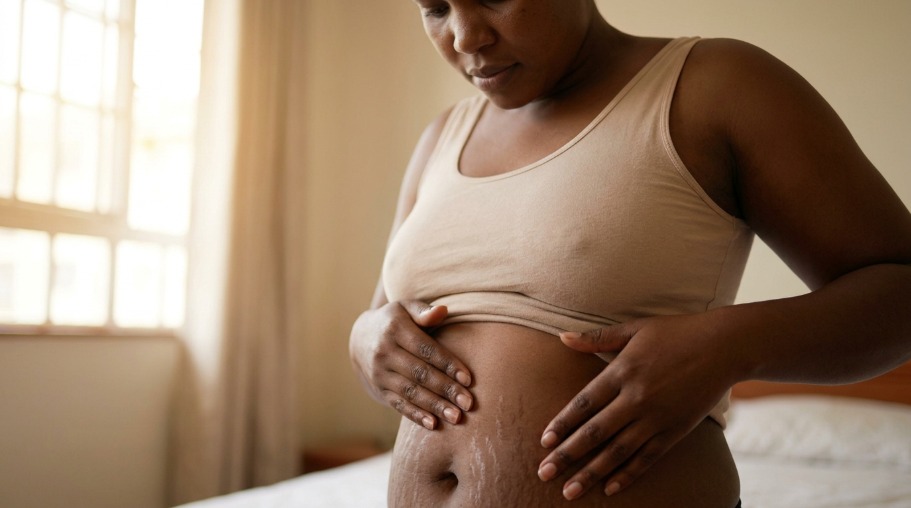
Your skin stretches naturally to accommodate changes in body shape, relying on collagen and elastin fibers to maintain resilience. When these fibers tear due to rapid expansion or contraction, stretch marks form just beneath the surface, disrupting the skin’s smooth texture over time.
Common Causes: Pregnancy, Weight Fluctuations, and Growth Spurts
Pregnancy places sustained pressure on abdominal skin, often leading to stretch marks in the second or third trimester. Rapid weight gain or loss, common during fitness transformations or medical conditions, also strains dermal layers. Teenagers frequently develop them during growth spurts when limbs and torso lengthen quickly.
Distinguishing Between Striae Rubra and Striae Alba
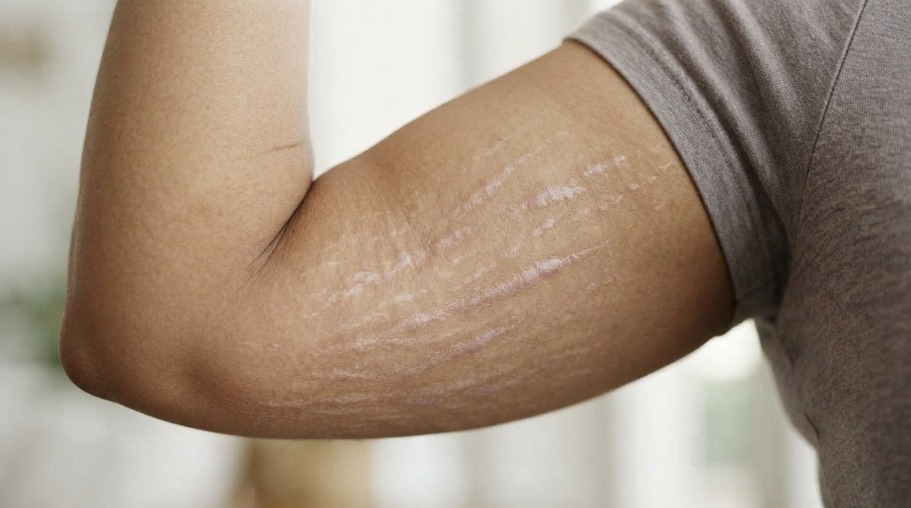
Striae rubra appear as reddish or purple streaks, indicating recent formation with active inflammation and possible mild swelling. Striae alba are older, faded marks that turn white or silvery as collagen reorganizes and blood vessels recede, making them more challenging to treat.
Newer striae rubra respond better to interventions because the skin retains some vascular activity and cellular turnover. A mid-sized SaaS firm’s employee undergoing post-pregnancy treatment in Westlands noticed visible improvement after two CO2 laser sessions, while her year-old striae alba showed slower progress requiring additional cycles.
How CO2 Fractional Laser Technology Works
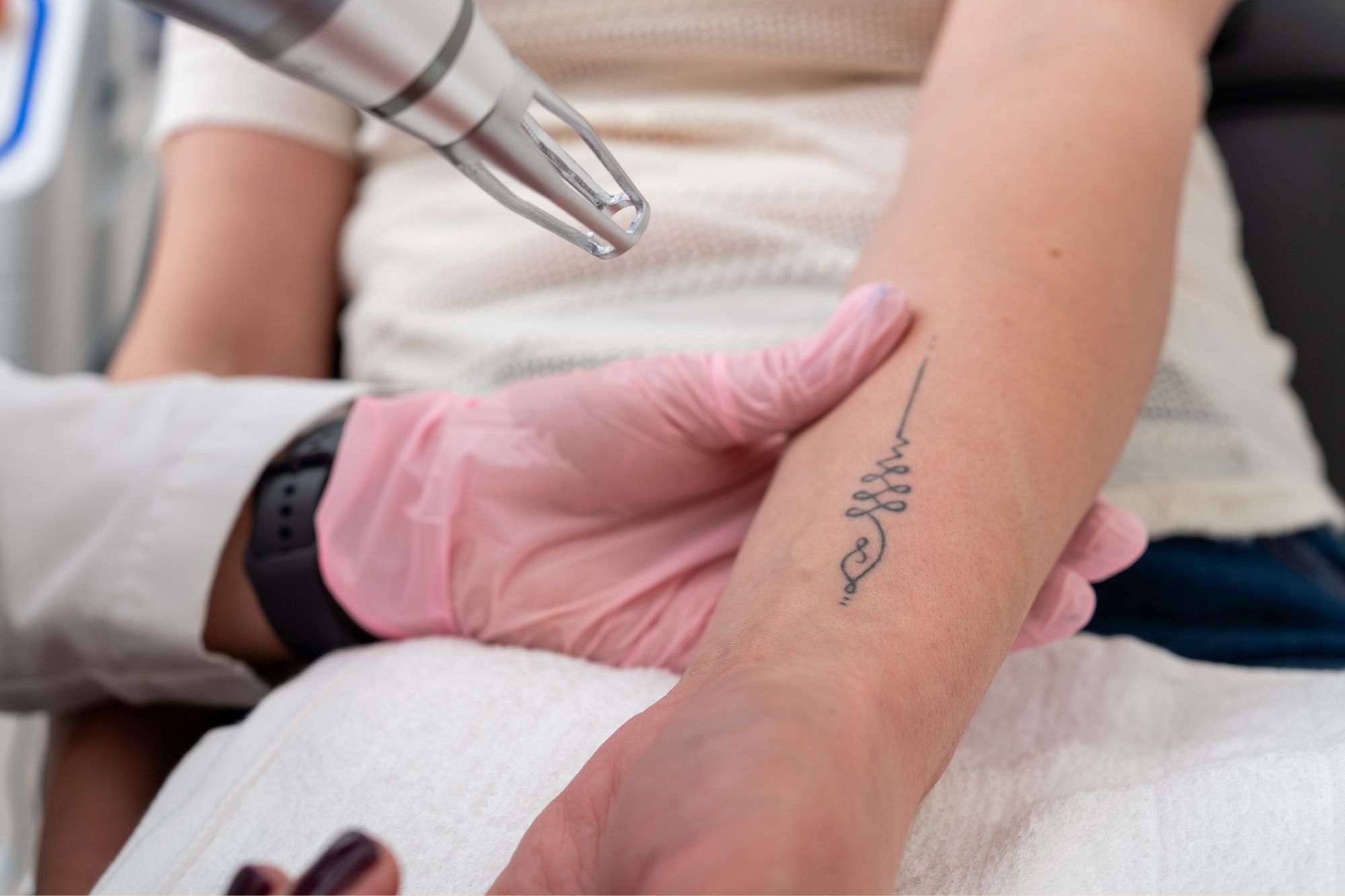
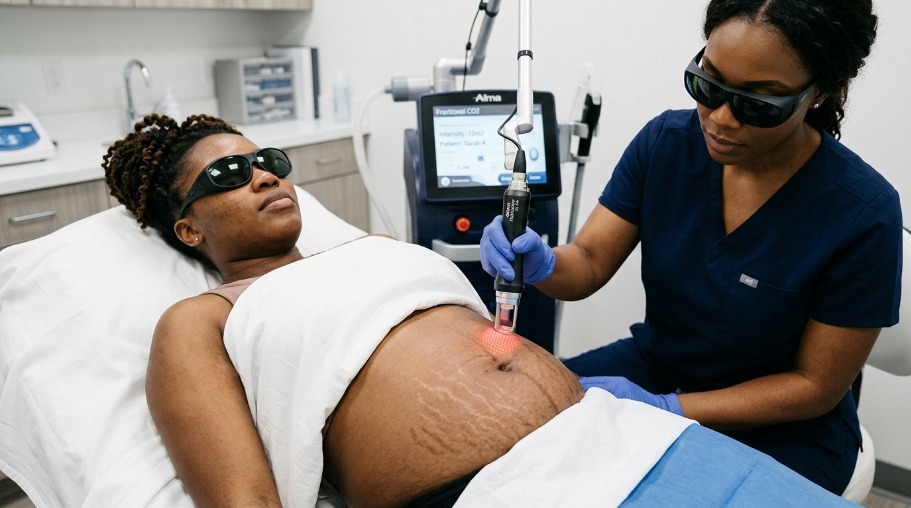
CO2 fractional laser treatment delivers controlled pulses of light energy into your skin through microscopic columns, leaving surrounding tissue intact. This selective ablation triggers your body’s natural healing mechanisms. The laser targets water within skin cells, vaporizing tiny fractions of damaged tissue with precision. Recovery begins immediately, supported by rapid cellular turnover in the treated zones.
Stimulating Collagen Production through Micro-Ablative Channels
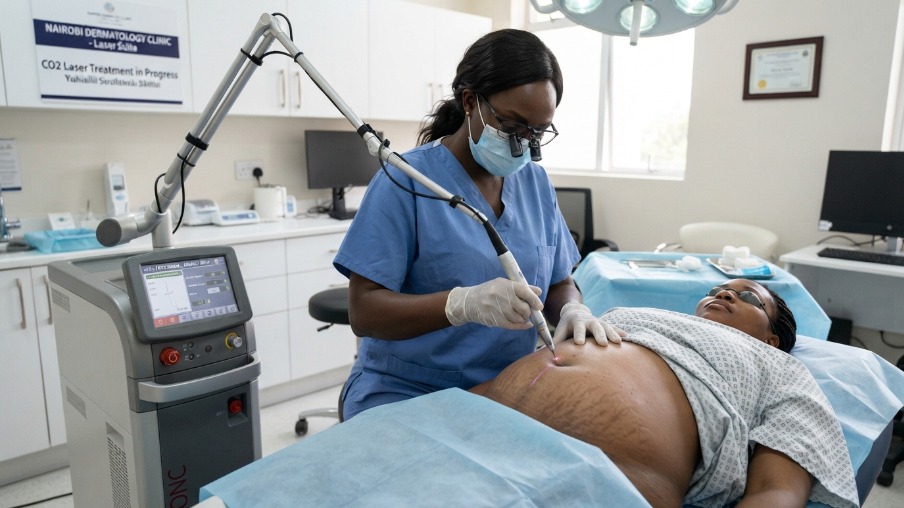
Your skin responds to the micro-injuries created by the laser by activating fibroblasts, the cells responsible for collagen synthesis. These micro-ablative channels initiate a cascade of regenerative activity deep within the dermis. Over weeks, new collagen and elastin fibers form, gradually tightening the skin and reducing the depth of stretch marks.
Targeted Skin Resurfacing for Improved Texture and Tone
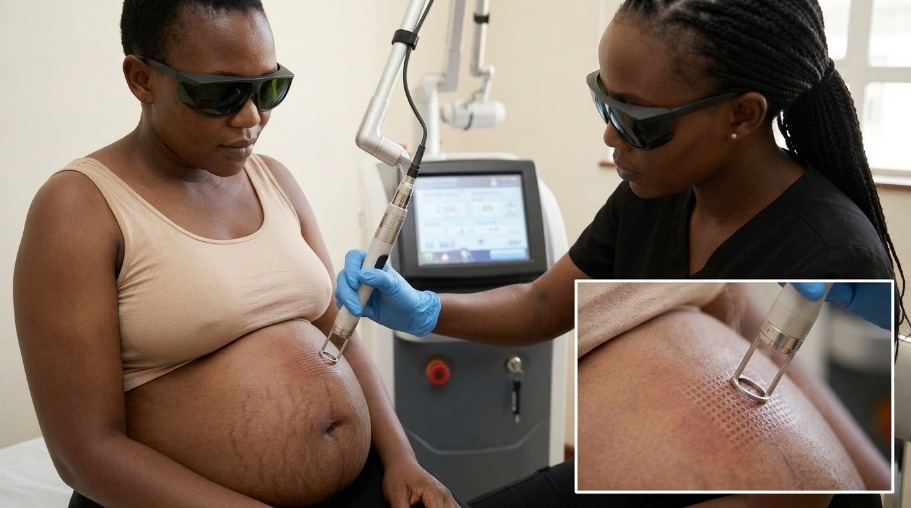
Each laser pass removes thin layers of damaged skin while heating the underlying tissue to encourage remodeling. This dual action smooths irregularities and evens out pigmentation. You’ll notice improved skin uniformity as the treated areas regenerate with healthier, more resilient tissue.
Resurfacing occurs at a customizable depth, allowing specialists to adjust settings based on your stretch mark severity and skin type. A mid-sized SaaS firm managing clinic operations in Westlands reported increased patient satisfaction when treatment protocols were tailored to individual dermal profiles. The laser’s precision ensures only affected zones are treated, minimizing downtime and preserving natural skin contours. Pigmented and atrophic marks respond differently, requiring calibrated energy levels for optimal results. Your provider will assess these variables during consultation to determine the ideal approach for your skin’s needs.
Benefits of CO2 Laser Treatment for Kenyan Skin
CO2 laser treatment adapts effectively to the diverse melanin levels found across Kenyan skin types, minimizing the risk of post-inflammatory hyperpigmentation when administered by trained professionals. The technology’s adjustable settings allow safe use on both lighter and deeper skin tones common in Nairobi’s population. Many patients see visible texture improvement within a few sessions, with clinics across Westlands and Karen reporting high satisfaction rates. Results are long-lasting when paired with proper sun protection and hydration.
Precision and Depth Control for Diverse Melanin Profiles
Laser energy penetrates at controlled depths, targeting damaged collagen without affecting the surrounding tissue. This precision reduces downtime and lowers the risk of pigmentation changes in higher-melanin skin. Settings are customized per session based on your skin’s response, ensuring optimal safety and effectiveness throughout treatment.
Superior Results Compared to Topical Creams and Microneedling
While creams and microneedling offer mild improvement, CO2 laser delivers deeper dermal remodeling. Clinical observation in Nairobi-based aesthetic centers shows patients achieve more defined smoothing of mature stretch marks after laser therapy than with surface-level treatments.
Comparison of Stretch Mark Treatment Efficacy
| Treatment Type | Observed Outcome in Nairobi Clinics |
|---|---|
| CO2 Fractional Laser | Noticeable reduction in depth and color of mature stretch marks after 3-5 sessions; improved skin texture and firmness |
| Topical Retinoids and Oils | Minimal change in established stretch marks; slight improvement in early red marks with prolonged use |
| Microneedling | Moderate texture refinement over several months; limited impact on wide or deep striae |
The Treatment Process in Nairobi Clinics
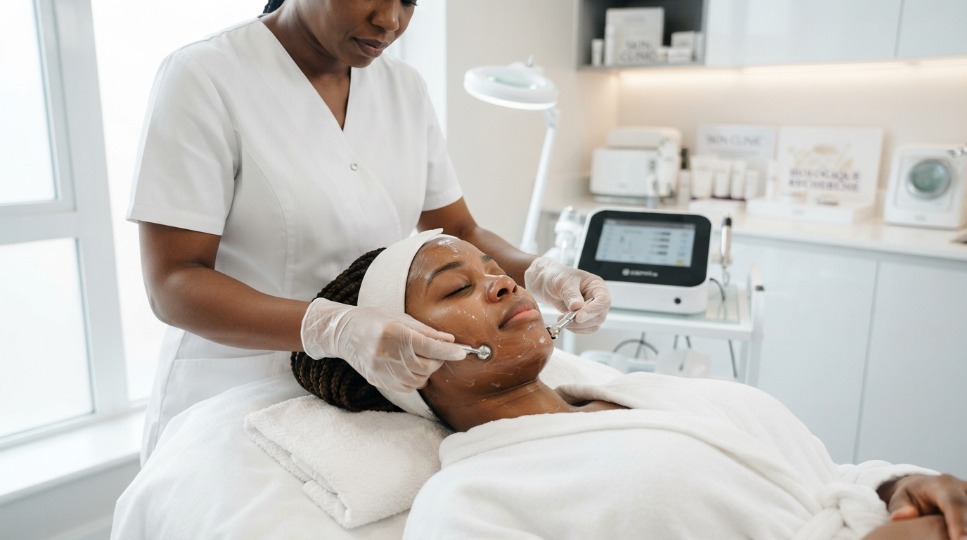
Nairobi’s dermatology clinics follow a structured protocol for CO2 laser treatment, ensuring safety and effectiveness. You undergo a personalized plan based on your skin tone, stretch mark severity, and medical history. Treatments occur in accredited medical spas or dermatology centers, using FDA-cleared devices calibrated for African skin types. Clinics in Westlands, Kilimani, and Karen offer the highest adherence to international standards.
Initial Dermatological Consultation and Skin Assessment
Your first appointment includes a detailed skin evaluation by a licensed dermatologist. They examine the color, texture, and location of your stretch marks, distinguishing between red, purple, or silvery-white stages. A medical history review rules out contraindications like keloid scarring or active infections. Digital imaging may document baseline conditions for tracking progress over sessions.
Procedure Timeline and Numbing Protocols for Patient Comfort
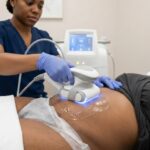
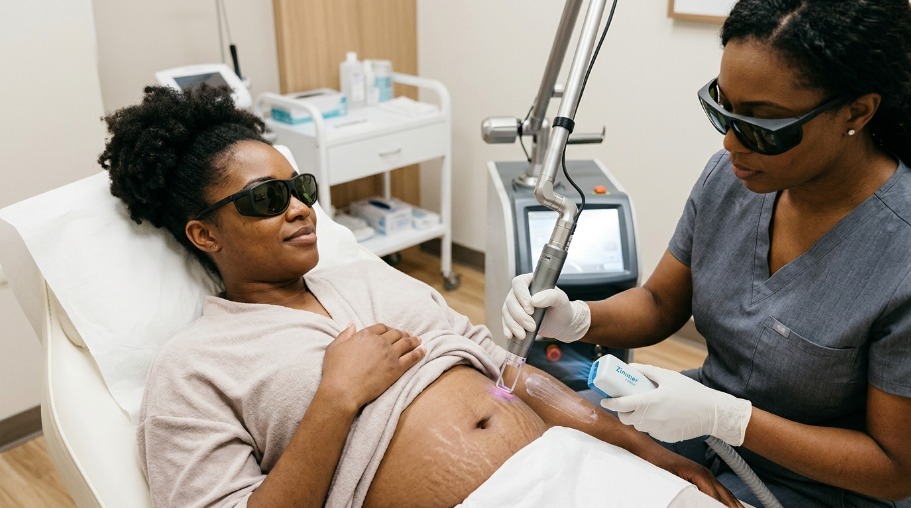
A topical anesthetic cream is applied 30 to 45 minutes before treatment to minimize discomfort. Most patients describe the sensation as a warm pinprick or rubber band snap. The actual laser session lasts 20 to 40 minutes, depending on the treated area. Cooling air is used during the procedure to soothe the skin and reduce thermal impact.
Clinics in Nairobi commonly use lidocaine-based numbing creams combined with pre-cooling techniques to enhance comfort. You remain awake and alert throughout, with the dermatologist adjusting settings in real time based on your feedback. For abdominal or thigh treatments, multiple passes with the laser ensure even coverage while avoiding overheating. Sessions are spaced four to six weeks apart to allow collagen remodeling between visits.
Post-Treatment Care and Recovery
Proper aftercare ensures optimal results following your CO2 laser session. You will notice immediate redness and slight swelling, similar to a sunburn, which typically subsides within a few days. Avoid touching or scratching the treated area to prevent infection and support natural healing. Most patients resume light daily activities within 48 hours, depending on skin sensitivity and treatment intensity.
Managing the Healing Phase: Redness and Micro-crusting
Redness and micro-crusting are normal in the first 3 to 5 days after treatment. Your skin will feel warm and appear pink, gradually transitioning to a bronze tone as microscopic treatment zones form tiny crusts. These crusts flake off naturally by day 7, revealing smoother skin underneath. Do not pick at them, as this may lead to scarring or pigmentation changes.
Essential Sun Protection and Hydration Strategies
Sun exposure poses a serious risk during recovery, especially in Nairobi’s high-altitude climate. Your skin becomes more sensitive to UV rays, increasing the chance of hyperpigmentation. Apply a broad-spectrum, mineral-based sunscreen with SPF 30 or higher every morning, even on cloudy days. Reapply if outdoors for extended periods, particularly between 10 a.m. and 3 p.m.
Hydration supports cellular turnover and minimizes tightness as your skin regenerates. Use a gentle, fragrance-free moisturizer twice daily, focusing on the treated areas without rubbing. A mid-sized SaaS firm executive in Westlands reported reduced flaking after switching to a ceramide-based cream recommended by her dermatologist. Drinking adequate water also enhances dermal repair, improving overall texture and tone over the healing period.
Cost Considerations and Choosing the Right Specialist
Understanding the financial investment and practitioner qualifications ensures you make informed decisions when pursuing CO2 laser treatment for stretch marks in Nairobi.
Factors Influencing Pricing in the Nairobi Medical Market
- Type of clinic facility and location within Nairobi
- Years of experience and reputation of the practitioner
- Number of treatment sessions required based on scar severity
- Technology brand and maintenance standards of the laser device
Knowing these variables helps you assess whether a quoted price aligns with the level of care and expected outcomes.
Verifying Credentials of Laser Practitioners and Facilities
A licensed dermatologist or certified medical aesthetician should perform your treatment, and the clinic must display approval from the Nairobi County Health Department.
Clinics in Westlands or Karen often provide transparency about staff qualifications, with visible certifications and access to device service logs. A reputable provider will allow you to inspect the treatment room, confirm the laser is a true fractional CO2 system, and share before-and-after photos from past patients with similar skin tones. These indicators reflect adherence to safety standards and clinical accountability.
Conclusion
You achieve visible improvement in stretch mark appearance through targeted CO2 laser resurfacing, a procedure now widely available in dermatology clinics across Nairobi. Your skin responds to the controlled thermal energy by rebuilding collagen, resulting in smoother texture and reduced discoloration over several sessions. A mid-sized SaaS firm executive from Westlands reported noticeable results after three treatments at a certified clinic in Lavington. Individual outcomes depend on your skin type, the age of the stretch marks, and adherence to aftercare protocols. Clinics using FDA-cleared devices and staffed by board-certified dermatologists offer the safest path to optimal results. You maintain progress with proper hydration, sun protection, and follow-up sessions as advised.