Understanding Swedish Massage: The Foundation of Relaxation Core Techniques and Rhythmic Strokes Swedish massage employs a specific set of five fundamental strokes designed to warm up muscle tissue and release superficial tension. These techniques, including effleurage (gliding strokes), petrissage (kneading), tapotement (rhythmic tapping), friction (circular rubbing), and vibration (shaking), work synergistically to improve circulation and …

Understanding Swedish Massage: The Foundation of Relaxation
Core Techniques and Rhythmic Strokes
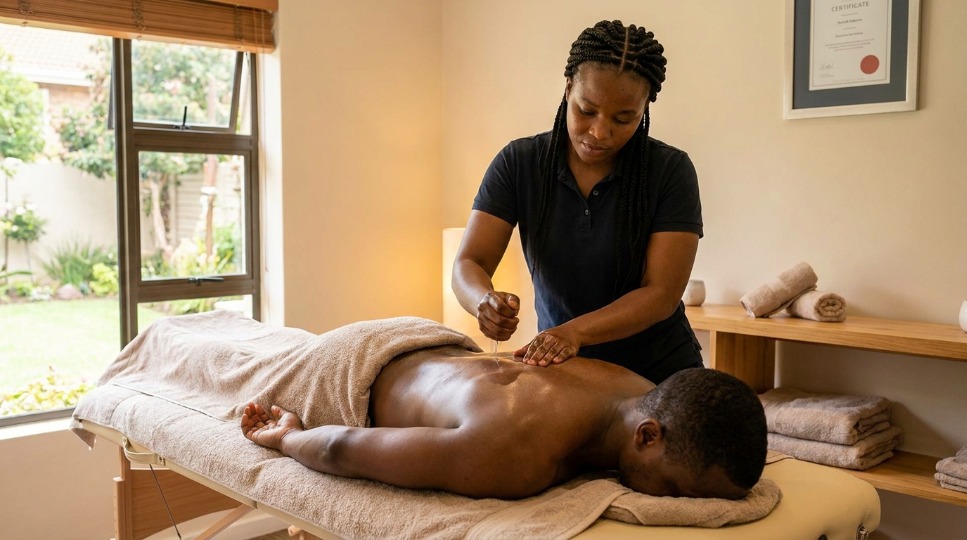
Swedish massage employs a specific set of five fundamental strokes designed to warm up muscle tissue and release superficial tension. These techniques, including effleurage (gliding strokes), petrissage (kneading), tapotement (rhythmic tapping), friction (circular rubbing), and vibration (shaking), work synergistically to improve circulation and soothe the nervous system. Each stroke serves a distinct purpose, from broad, flowing movements to more focused, invigorating applications, creating a comprehensive therapeutic experience.
Your therapist applies these strokes with varying degrees of pressure, always aiming for comfort and relaxation rather than intense sensation. The rhythmic and continuous nature of Swedish massage is a key component, promoting a meditative state that allows your body to unwind. This methodical approach helps prepare your muscles for deeper relaxation, setting the stage for profound stress reduction.
Physiological Impact on the Nervous System
This gentle yet effective form of bodywork directly influences your parasympathetic nervous system, initiating the body’s “rest and digest” response. The consistent, flowing strokes reduce the production of stress hormones like cortisol and norepinephrine, which are often elevated during periods of high stress. A decrease in these hormones allows your body to shift away from its fight-or-flight state.
Receiving a Swedish massage often leads to an increase in serotonin and dopamine, neurotransmitters associated with feelings of well-being and happiness. These chemical changes contribute significantly to an improved mood and a greater sense of calm, helping you manage daily stressors more effectively. Your breathing may also deepen and slow, further signaling to your body that it is safe to relax.
Exploring Deep Tissue Massage: Targeting Chronic Tension
You might consider deep tissue massage if you experience persistent muscle knots or chronic pain. This technique focuses on the deeper layers of muscle and connective tissue, aiming to release adhesions that contribute to discomfort. Therapists use slower strokes and more direct, intense pressure than in a Swedish massage.
The objective is to address specific problem areas, often identified through palpation, where tension has accumulated over time. You will find that the sustained pressure helps to lengthen and release constricted tissues, improving mobility and reducing pain.
Mechanism of Action on Muscle Adhesions and Fascia
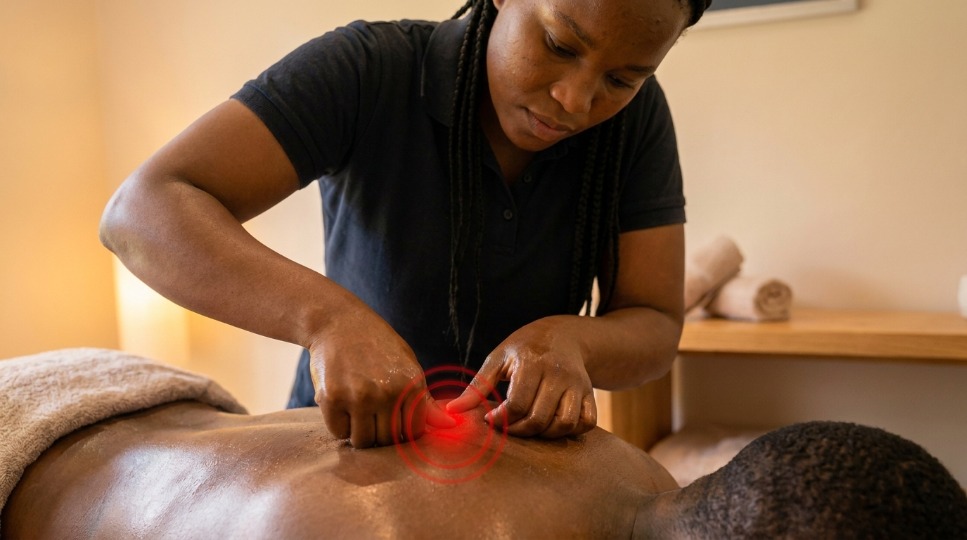
Deep tissue massage applies sustained pressure to break down adhesions, often referred to as “knots,” within muscles. These adhesions are bands of rigid, painful muscle tissue that can restrict movement and cause inflammation. The therapist’s focused pressure helps to physically separate these bound-up fibers.
You will also find that the technique works on fascia, the connective tissue surrounding muscles, organs, and bones. Chronic stress can cause fascia to tighten and restrict, but deep tissue work helps to lengthen and soften this tissue, restoring its elasticity.
Therapeutic Benefits for Stress-Induced Physical Pain
You can find significant relief from physical pain that arises from chronic stress through deep tissue massage. Stress often manifests as tension in the neck, shoulders, and lower back, leading to stiffness and aches. The targeted pressure helps to release this accumulated physical tension, reducing discomfort.
Addressing these deep-seated areas of tension can alleviate conditions like tension headaches, which frequently stem from tight muscles in the neck and upper back. You may notice an immediate reduction in the intensity and frequency of such headaches after a session.
The sustained pressure applied during a deep tissue session also promotes increased blood flow to the affected areas. This enhanced circulation delivers oxygen and nutrients to the muscles, aiding in the repair of damaged tissues and flushing out metabolic waste products that contribute to pain and inflammation.

Comparative Analysis: Pressure, Intent, and Technique
| Swedish Massage | Deep Tissue Massage |
| Applies lighter, gliding strokes, kneading, and circular movements to the superficial muscle layers. | Utilizes sustained pressure and slower strokes to reach deeper muscle and fascia layers. |
| Aims primarily for full-body relaxation, improved circulation, and general stress reduction. | Focuses on releasing chronic muscle tension, knots, and adhesions for specific pain relief. |
| Techniques often involve effleurage, petrissage, friction, tapotement, and vibration. | Employs direct pressure, friction, and stripping strokes, often with elbows, forearms, or thumbs. |
Surface-Level Soothing vs. Structural Realignment
You will find Swedish massage focuses on broad, flowing strokes designed to soothe the nervous system and increase blood flow to surface tissues. This approach encourages a systemic relaxation response, which can significantly reduce perceived stress. The intent is to calm the mind and body rather than address specific muscular issues.
Deep tissue massage, conversely, aims to alter the physical structure of your muscles and connective tissues. By applying sustained pressure, the therapist can access and release adhesions, often referred to as “knots,” that contribute to chronic tension and discomfort. This method seeks a more lasting change in your physical alignment and muscle function.

Managing Pain Thresholds and Client Comfort
Receiving a Swedish massage typically involves minimal discomfort, prioritizing a gentle and comforting experience. The pressure remains light to medium, allowing you to relax without bracing against intense sensations. Many clients find the rhythmic flow of Swedish techniques inherently calming.
Deep tissue work, however, can sometimes involve intense sensations, particularly when addressing deeply held tension. The therapist will usually communicate about the pressure level, making sure it remains within your tolerable range. You should always feel comfortable enough to breathe deeply and not tense your muscles in response to the pressure.
Your communication with the therapist becomes paramount during a deep tissue session; clearly articulate if the pressure feels too intense or if you experience sharp pain, as this allows the practitioner to adjust their technique for both effectiveness and your comfort.
Factors to Consider When Choosing Your Treatment
Selecting the appropriate massage therapy involves understanding your body’s specific needs and your desired outcomes. Consider the intensity of pressure you can comfortably tolerate, along with any areas of persistent discomfort or muscle knots. Your therapist can help guide this decision, but your input about past massage experiences, positive or negative, provides valuable context.
You should also think about the overall experience you seek from the session. Are you looking for a gentle, calming experience to reduce general stress, or do you require targeted work on specific problem areas? Assume that a clear understanding of your preferences will lead to a more satisfying and beneficial treatment.
- Your pain tolerance and comfort level with pressure.
- Specific areas of the body experiencing chronic tension or discomfort.
- Desired outcome: general relaxation versus targeted therapeutic work.
- Any pre-existing medical conditions or injuries.

Assessing Personal Sensitivity and Health History
Your individual pain threshold plays a significant role in determining the most suitable massage technique. Someone with high sensitivity to touch may find the deeper pressure of a deep tissue massage uncomfortable or even counterproductive, while a lighter touch, characteristic of Swedish massage, could be more effective for relaxation. Communicate any areas of tenderness or discomfort to your therapist before the session begins.
A comprehensive health history, including any recent injuries, surgeries, or chronic conditions like fibromyalgia, informs the therapist’s approach. For instance, individuals with certain circulatory issues may need modifications to deep tissue techniques. Disclosing all relevant health information ensures a safe and effective treatment plan tailored to your unique physiological needs.
Long-term Wellness Goals and Frequency of Care
Consider what you hope to achieve beyond immediate stress relief. If your goal involves sustained reduction in muscle stiffness or improved posture over time, a series of deep tissue sessions might be more appropriate, offering cumulative benefits. For ongoing stress management without specific muscular issues, regular Swedish massages can maintain a state of calm and relaxation.
Regularity of treatment also influences the choice. Infrequent, intense sessions might suit someone addressing an acute issue, whereas consistent, moderate-pressure massages are often preferred for general well-being and preventative care. Discussing your long-term vision for physical and mental health with your therapist helps them recommend a cadence and style of massage that aligns with your broader wellness strategy.

To wrap up
You will find that the optimal choice between Swedish and deep tissue massage for stress relief depends entirely on your individual needs and preferences. If you are seeking general relaxation and a gentle reduction in everyday tension, Swedish massage provides a soothing experience that calms the nervous system through long, flowing strokes and kneading. This method promotes broad circulatory improvements, which can contribute to a feeling of overall well-being.
If your stress manifests as persistent knots, chronic muscle tightness, or specific areas of discomfort, deep tissue massage will likely offer more targeted relief. This technique employs slower strokes and more intense pressure to reach deeper layers of muscle and fascia, effectively releasing chronic tension patterns that contribute to physical and mental stress. Consider the nature of your stress and consult with a qualified massage therapist to determine the most beneficial approach for you.