Facial symmetry and definition can transform your appearance without a single incision. At The Abram, non-surgical contouring uses advanced techniques to sculpt and refine your natural features. You'll learn what these treatments involve, how they differ from surgical options, and what to realistically expect before scheduling your appointment. Understanding Non-Surgical Facial Contouring Non-surgical facial contouring …

Facial symmetry and definition can transform your appearance without a single incision. At The Abram, non-surgical contouring uses advanced techniques to sculpt and refine your natural features. You’ll learn what these treatments involve, how they differ from surgical options, and what to realistically expect before scheduling your appointment.
Understanding Non-Surgical Facial Contouring
Non-surgical facial contouring reshapes facial structure using injectable techniques rather than incisions. This approach relies on strategic placement of dermal fillers to enhance definition in areas like the jawline, cheeks, and chin. A mid-sized SaaS firm CEO recently achieved sharper facial angles before a product launch, opting for minimal downtime over invasive procedures.
Results depend on facial anatomy and the expertise of the injector. Treatments are customizable, with adjustments made during follow-ups to refine symmetry. Unlike surgical outcomes, changes are gradual and reversible, offering flexibility if preferences shift over time.

The Science of Minimally Invasive Enhancements
Hyaluronic acid-based fillers attract and retain water, restoring volume while stimulating collagen. These gels integrate naturally into facial tissues, providing lift and structure without scarring. The body gradually absorbs them, typically lasting between nine months and two years depending on metabolism and product type.
Neuromodulators like botulinum toxin complement fillers by relaxing muscles that contribute to sagging or heaviness. When used in the lower face, they can subtly lift brows or soften masseter bulk for a slimmer profile. Combined, these agents allow precise sculpting with minimal risk.
Comparing Liquid Facelifts to Traditional Surgery
A liquid facelift uses injectables to mimic the lifting and volumizing effects of surgery. It addresses mild to moderate volume loss and asymmetry without general anesthesia. Recovery is measured in hours rather than weeks, with most returning to work the same day.
Traditional facelifts involve repositioning deeper tissues and removing excess skin, delivering more dramatic and long-lasting results. They suit advanced signs of aging but carry higher risks and longer recovery. The choice hinges on your aesthetic goals and tolerance for downtime.
| Aspect | Liquid Facelift | Traditional Facelift |
| Anesthesia | Topical or local | General or IV sedation |
| Downtime | Minimal, usually under 48 hours | Two to four weeks |
| Results Duration | 9 months to 2 years | 7 to 10 years |
| Incisions | None | Yes, behind ears and along hairline |
| Risk Level | Low, with rare serious complications | Moderate, including infection and nerve injury |
Liquid facelifts excel when subtle enhancement is the goal. One patient with early jowl formation opted for a combination of cheek and jawline filler, achieving a refreshed look without time off. While not a substitute for severe laxity, the treatment offers a compelling alternative for those balancing aesthetics with lifestyle demands.
Core Treatment Modalities at The Abram
At The Abram, non-surgical facial contouring relies on a curated selection of advanced techniques tailored to individual anatomy and aesthetic goals. These modalities work in synergy to redefine structure, restore volume, and enhance facial harmony without incisions or prolonged downtime. Each treatment is administered by trained specialists who prioritize precision and natural-looking outcomes.
Protocols are customized using a combination of injectables and energy-based technologies, chosen based on facial mapping and tissue assessment. The focus remains on subtle enhancement, avoiding overcorrection while achieving measurable improvement in contour and skin quality. This integrated methodology reflects current clinical best practices in aesthetic medicine.
Precision Dermal Fillers for Structural Support
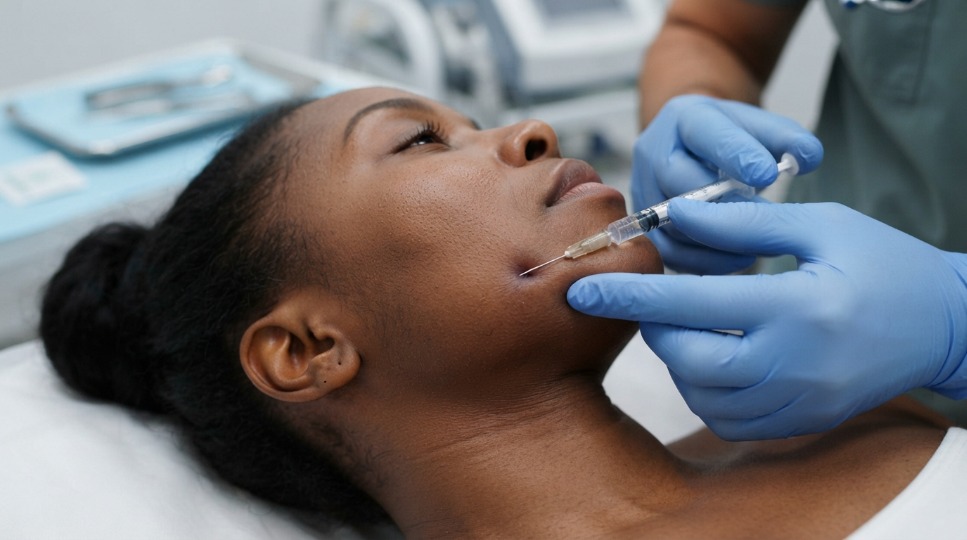
Strategic placement of hyaluronic acid fillers helps restore lost volume and define facial architecture, particularly along the cheekbones, jawline, and chin. These injectables act as internal scaffolding, lifting and supporting underlying tissues for a more sculpted appearance. A mid-sized SaaS firm executive reported improved facial definition after a single session, noting colleagues commented on a well-rested look without suspecting intervention.
Technique matters as much as product selection. The Abram uses cannulas for most applications, reducing bruising and allowing smoother filler distribution across delicate areas. Results appear immediately and can last up to 18 months depending on metabolism and injection site, with follow-up touch-ups recommended only as needed.
Neuromodulators for Lower Face Slimming
Targeted injections into the masseter muscles can soften a square jawline by reducing muscle bulk over time. This application of neuromodulators like botulinum toxin type A is common among patients seeking a more tapered facial silhouette. Effects begin within two weeks, with full results visible after six to eight weeks.
Repeated treatments maintain slimmer contours, as muscle activity remains suppressed between sessions. The procedure requires no downtime and is often combined with other modalities for balanced facial proportions. Some patients also experience reduced teeth grinding, an off-label benefit noted during post-treatment check-ins.
Masseter reduction works best for individuals with hypertrophic jaw muscles due to clenching or genetic predisposition. The Abram’s clinicians assess muscle size at rest and during contraction to determine optimal dosing and injection points. Over-treatment is avoided by using conservative units initially, with adjustments made in subsequent visits based on response.
Energy-Based Devices for Skin Tightening
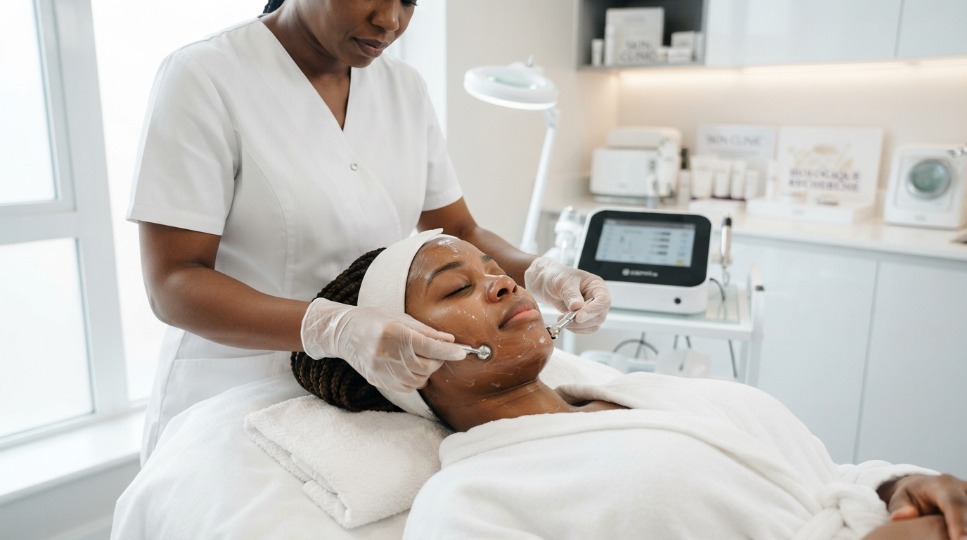
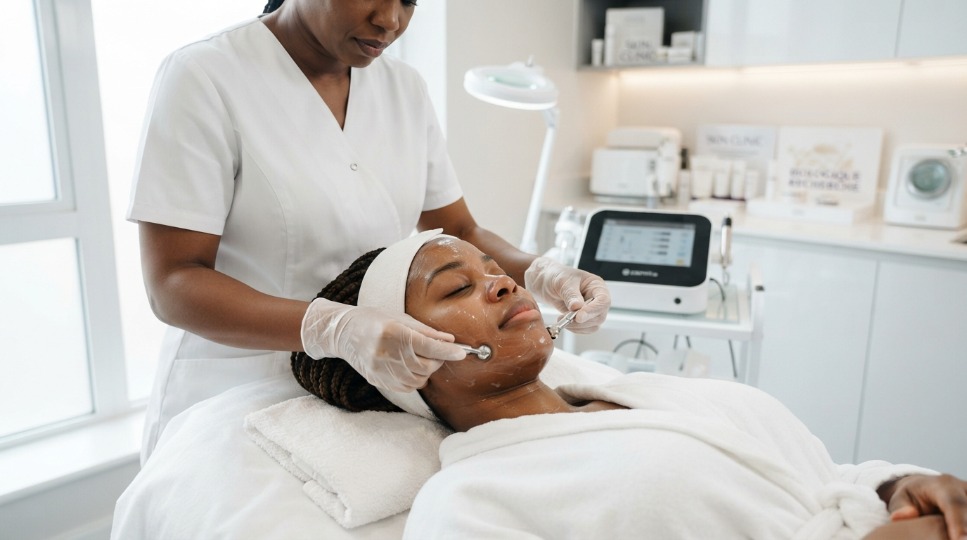
Radiofrequency and ultrasound technologies stimulate collagen deep within the dermis, encouraging gradual skin contraction and improved elasticity. These non-invasive treatments target mild to moderate laxity along the jaw and neck, offering a viable alternative to surgical lifts. Sessions typically last 30 to 45 minutes, with a series of three often recommended for optimal results.
Devices like Ultherapy and Thermage deliver focused energy beneath the skin’s surface while preserving the outer layer. Patients describe the sensation as brief pulses of heat, well-tolerated without anesthesia. Improvement unfolds over two to six months as new collagen forms, yielding a subtly lifted appearance.
Thermal remodeling effects depend on consistent thermal buildup in the targeted tissue plane. The Abram uses real-time imaging with certain devices to ensure accurate energy delivery, minimizing risk and enhancing efficacy. One patient, a 42-year-old attorney, observed tighter submental definition after her second session, with no disruption to her work schedule.
Primary Aesthetic Target Areas
Defining the Jawline and Mandibular Angle
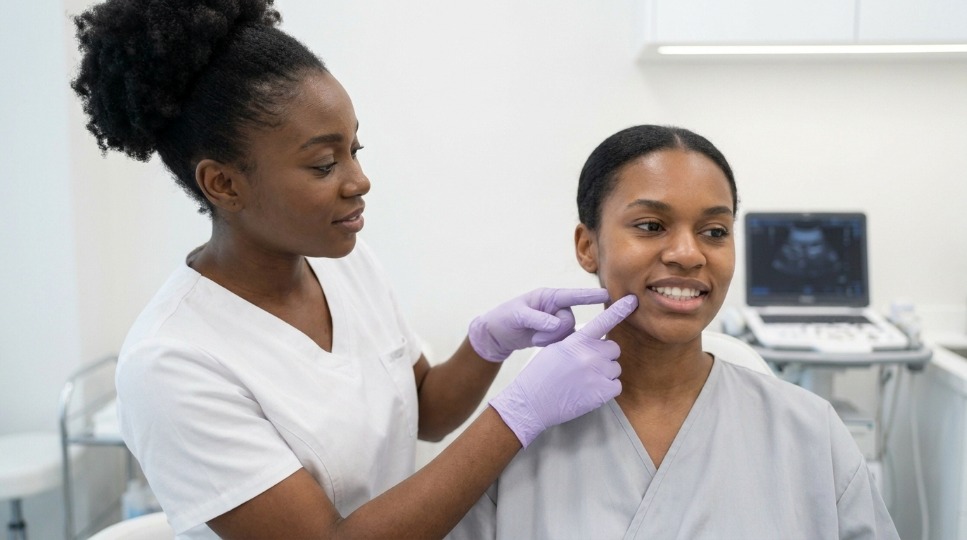
Weak jawline definition often contributes to a less structured facial profile. Injectable neuromodulators and strategic dermal filler placement can sharpen the jawline and enhance the mandibular angle. A mid-sized SaaS firm executive reported improved facial symmetry after targeted contouring along the lower border of the mandible. This refinement creates a balanced, chiseled appearance without altering natural expression.
Restoring Mid-Face Volume and Cheek Projection
Volume loss in the mid-face leads to a flattened, tired look over time. Hyaluronic acid fillers restore projection to the cheeks, lifting surrounding tissues and reducing nasolabial folds. Placement depth and product selection depend on your underlying bone structure and soft tissue distribution.
One patient in her early forties achieved a subtle lift by restoring volume to the deep medial cheek, which indirectly softened the appearance of under-eye hollows. The result mimicked natural youthfulness because the augmentation followed anatomical support zones rather than superficial enhancement. This method preserves facial authenticity while improving contour.
The Consultation and Facial Mapping Process
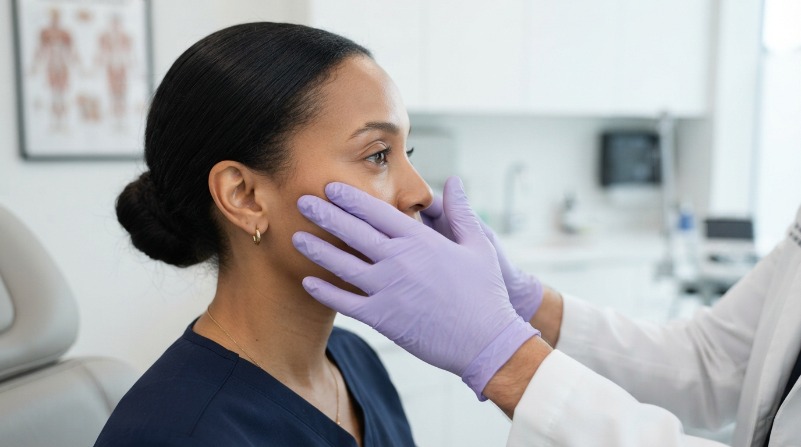
Every treatment at The Abram begins with a detailed facial assessment conducted by a certified practitioner. You’ll discuss your aesthetic goals while the clinician evaluates proportions, symmetry, and existing volume distribution. Advanced imaging tools help visualize underlying structures, ensuring recommendations align with your natural anatomy. This session establishes a baseline for measurable progress and realistic outcomes.
Individualized Assessment of Bone Structure and Soft Tissue
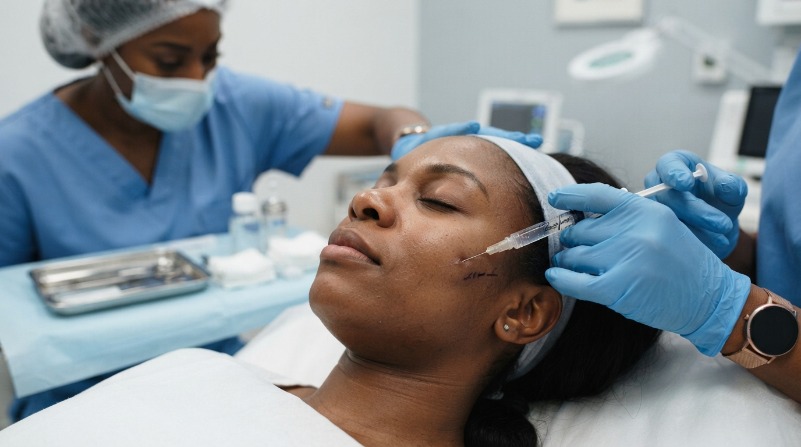
Facial balance depends on the interplay between skeletal foundation and overlying soft tissue. The practitioner analyzes your jawline definition, cheekbone projection, and chin prominence alongside skin elasticity and fat distribution. A patient with a recessed mandible may benefit from strategic filler placement to enhance definition, while another with volume loss in the midface may require deeper restoration. These distinctions guide precise product selection and injection depth.
Developing a Customized Treatment Blueprint
Your unique anatomy and goals shape a step-by-step plan that specifies product types, quantities, and injection sites. The blueprint may combine hyaluronic acid fillers for structure with neuromodulators to refine muscle activity, such as softening masseter bulk for a slimmer profile. Treatments are often staged over several months to allow for healing and gradual refinement.
Staging allows the practitioner to assess volume integration and tissue response before advancing. For instance, a patient seeking enhanced cheek projection might receive an initial filler placement, followed by a touch-up after four weeks to fine-tune contouring. This phased method supports natural-looking results while minimizing overcorrection.
Patient Experience: Procedure and Aftercare
Pain Management and Comfort Protocols
Most patients report minimal discomfort during treatment, thanks to advanced topical anesthetics applied prior to the procedure. The Abram uses medical-grade numbing creams tailored to skin sensitivity, ensuring a calm and controlled experience throughout. Fine-gauge needles and precision microcannulas further reduce tissue trauma, minimizing any sensation of pinching or pressure.
Cooling devices are often used alongside numbing agents to soothe the skin and constrict blood vessels, reducing the likelihood of bruising. Staff remain attentive throughout, monitoring your comfort and adjusting techniques as needed. A mid-sized SaaS firm executive recently noted feeling only mild pressure around the jawline during his third session.
Managing Expectations Regarding Downtime and Recovery
Swelling and redness typically resolve within 24 to 48 hours, allowing most patients to resume work and light activities the following day. Some experience minor bruising, particularly around injection sites near the cheeks or chin, which can be covered with makeup after 24 hours. The Abram provides post-treatment care kits including arnica gel and gentle cleansers to support healing.
Strenuous exercise and alcohol should be avoided for at least 48 hours to minimize inflammation. Results gradually emerge over two to three weeks as filler settles and swelling subsides. One patient noticed sharper jaw definition by day ten, with optimal contouring visible at the three-week mark.
Initial swelling may create a temporary overfilled appearance, especially in the cheeks or temples. This resolves naturally as the product integrates and excess fluid dissipates. Patients are advised to wait at least three weeks before assessing final results, as early asymmetries or tightness often correct themselves. Following the recommended follow-up schedule ensures optimal shaping and balance.
Safety, Longevity, and Maintenance
Clinical Safety Standards and Provider Expertise
Every treatment at The Abram follows strict clinical safety protocols established by dermatological and aesthetic medicine guidelines. Licensed practitioners with advanced training in facial anatomy administer injectables and energy-based devices, minimizing risks such as vascular complications or asymmetry. Sterile techniques, medical-grade products, and real-time imaging support precision during every session. A board-certified physician oversees all protocols to ensure compliance with national regulatory standards.
Sustaining Results Through Periodic Maintenance
Results from non-surgical contouring typically last six months to two years, depending on the product and area treated. Your body naturally metabolizes injectable agents over time, so volume gradually diminishes without intervention. Maintenance sessions are scheduled based on your metabolism, lifestyle, and desired outcome. A mid-sized SaaS firm executive, for example, returned every nine months for jawline refinement to maintain definition.
Follow-up appointments often involve smaller product volumes than the initial session, reducing both cost and downtime. The Abram customizes a maintenance calendar aligned with your facial aging pattern and treatment response. Some patients benefit from combining touch-ups with skin-tightening therapies to prolong contour sharpness. Consistent monitoring ensures subtle adjustments before significant regression occurs.
Final Words
Choosing non-surgical facial contouring at The Abram means committing to a personalized approach grounded in advanced aesthetics and facial anatomy. You receive a tailored plan using techniques like dermal fillers and neuromodulators, designed to enhance your natural structure without downtime. Results are subtle yet distinct, often visible immediately or within days, depending on the treatment area and your body’s response.
Longevity varies, with most treatments lasting several months to over a year, requiring periodic touch-ups to maintain definition. Your individual metabolism, lifestyle, and skin quality influence how long outcomes persist. A patient at The Abram might return every six to nine months for maintenance, ensuring consistent, natural-looking refinement.