
With stubborn belly fat resisting even disciplined diet and exercise, you have effective alternatives that don't require incisions or downtime. The Abram offers advanced, non-invasive treatments designed to target and reduce fat cells in the abdominal area safely and precisely, using clinically backed technologies tailored to your body's unique composition. Understanding Stubborn Belly Fat Subcutaneous …

With stubborn belly fat resisting even disciplined diet and exercise, you have effective alternatives that don’t require incisions or downtime. The Abram offers advanced, non-invasive treatments designed to target and reduce fat cells in the abdominal area safely and precisely, using clinically backed technologies tailored to your body’s unique composition.
Understanding Stubborn Belly Fat
Subcutaneous vs. Visceral Fat
Subcutaneous fat lies just beneath the skin and is the pinchable layer around your abdomen, hips, and thighs. While it contributes to aesthetic concerns, it’s generally less harmful to health. Visceral fat, however, wraps around internal organs deep within the abdominal cavity. This type is metabolically active and linked to higher risks of insulin resistance and cardiovascular issues. Imaging scans often reveal substantial visceral deposits even in individuals with normal body weight.
Why Diet and Exercise Alone May Fall Short
Genetics influence where your body stores fat and how readily it releases it during caloric deficits. Some people inherit a predisposition to hold onto abdominal fat despite consistent cardio and strength training. Hormonal shifts, particularly with age or conditions like polycystic ovary syndrome, can further impede fat loss in this region. A mid-sized SaaS firm’s employee wellness study noted repeated cases of improved fitness metrics without corresponding belly fat reduction.
Your fat cells in resistant areas enter a state of reduced metabolic activity, making them less responsive to adrenaline-triggered breakdown. Even with disciplined eating and daily workouts, these adipocytes may remain largely intact. This biological adaptation explains why spot reduction through crunches or prolonged fasting rarely delivers visible changes in the lower abdomen.

Cryolipolysis: Precision Fat Freezing
The Science of Targeted Adipose Reduction
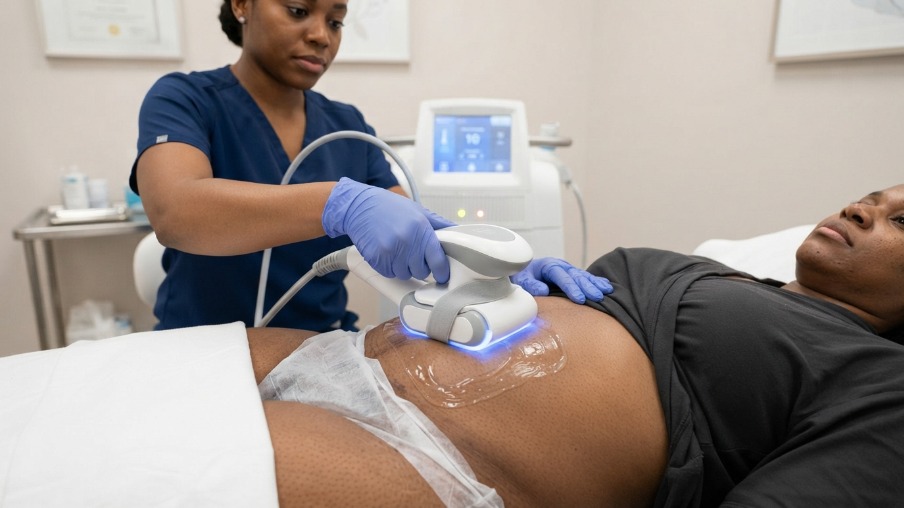
Cooling technology selectively affects fat cells without harming surrounding tissue. Fat cells crystallize at higher temperatures than skin or muscle, allowing controlled exposure to cold to disrupt their structure. Over weeks, the body naturally processes and eliminates these damaged cells through the lymphatic system. A single session can reduce up to 20-25% of fat in the treated area, with visible changes emerging gradually.

Recovery and Expected Results Timeline
No downtime follows cryolipolysis, letting you resume daily activities immediately. Mild redness or numbness may appear but typically fades within hours. Results begin to show around three weeks post-treatment, with optimal outcomes visible after two to three months as the body completes fat cell removal.
One mid-sized SaaS firm employee reported a one-inch reduction in waist circumference after two sessions spaced six weeks apart, wearing compression garments for five days to support tissue adaptation. Final outcomes stabilize around the 12-week mark, with effects considered long-lasting if weight remains stable.
The Abram Approach: Personalized Treatment Plans
Diagnostic Consultations and Custom Protocols
Each consultation begins with a detailed body composition analysis, mapping fat distribution and muscle tone using advanced imaging technology. Your medical history, lifestyle habits, and metabolic factors are reviewed to shape a precise intervention strategy. A mid-sized SaaS firm executive, for example, achieved targeted abdominal reduction after a six-session protocol combining cryolipolysis and muscle toning, tailored to his sedentary work pattern.
Protocols integrate non-invasive modalities based on individual responsiveness and anatomical goals. One client with visceral-dominant accumulation received a modified sequence emphasizing metabolic activation between laser treatments, differing from subcutaneous-focused plans. Treatment intervals are adjusted to recovery speed and tissue response, ensuring optimal fat cell clearance.

Strategies for Maintaining Long-Term Results
Sustained outcomes depend on post-treatment routines calibrated to your physiology. Follow-up sessions every 90 days help monitor changes and adjust maintenance intervals. Nutritional guidance emphasizes protein timing and mindful carbohydrate intake, not restrictive diets. A legal consultant maintained her results for over two years through bi-monthly toning touch-ups and structured movement blocks during work hours.
Long-term success often includes subtle behavioral shifts, such as increased daily steps or consistent sleep patterns, aligned with your routine. The clinic provides progress tracking tools that highlight trends in waist circumference and muscle definition over time. These metrics inform minor protocol refinements, preventing plateaus without aggressive interventions.

To wrap up
You achieve visible reductions in belly fat through non-invasive treatments that target adipose cells without downtime. At The Abram, protocols like cryolipolysis and laser lipolysis selectively disrupt fat cells, which your body then naturally eliminates over weeks. A mid-sized SaaS firm employee lost two inches from their waistline after three laser sessions, with results stabilizing by the eighth week. Your response depends on consistency, metabolic rate, and adherence to recommended treatment schedules.
Your personalized plan integrates muscle toning with fat reduction, enhancing abdominal definition without surgery. High-intensity electromagnetic therapy builds lean muscle, increasing resting calorie burn. One patient reported tighter core musculature after four electromyostimulation sessions, visible in posture and clothing fit. These methods offer measurable outcomes when applied under clinical guidance, with no scalpels or extended recovery.